

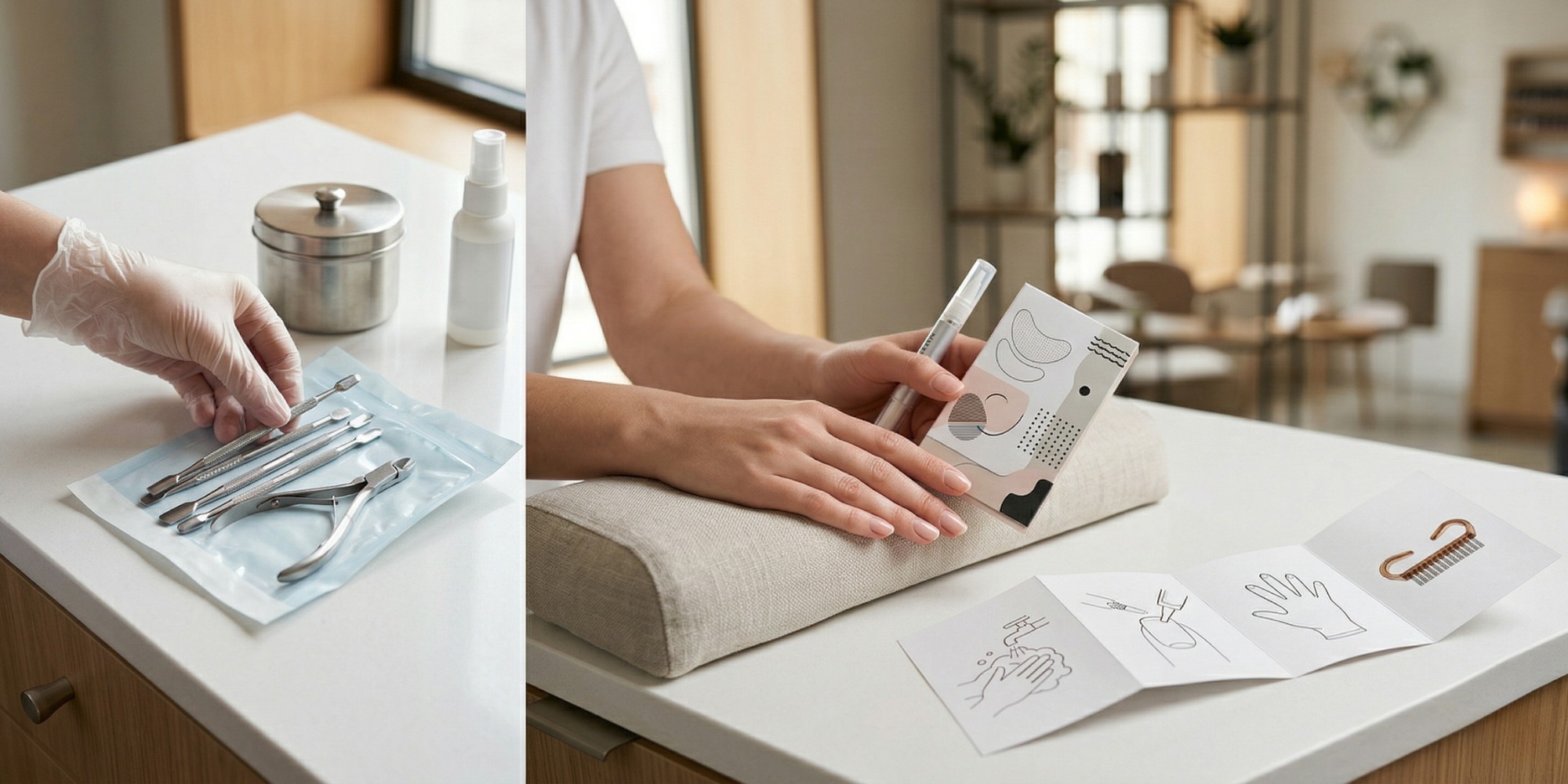
The beauty industry is undergoing a major shift this year. Today’s clients often prioritize salon cleanliness and safety over a trendy color. In 2026, being a great nail tech means knowing just as much about science as you do about art. People want to feel safe when they sit in your chair. Showing that you understand the invisible side of beauty is one of the best ways to earn their trust and keep them coming back.
If you want to move from being a beginner to becoming a true leader in this field, you should shift your focus toward protection. I recommend checking out this beginner guide to your professional journey to build a strong foundation in the basics. Providing clear aftercare advice in nail technology is also a powerful way to demonstrate your expertise. This knowledge transforms you into a trusted consultant rather than just someone who paints nails. You become a professional who understands the biological health of the nail plate.
Key Takeaways for Future Professionals
- Microbiology is Essential: Understanding microorganisms helps you prevent the “Safety Paradox,” where even high-end salons still struggle with infection rates.
- Tools vs. Treatments: Standard salon equipment is designed for cosmetic use, not medical cures. Managing client expectations is a vital part of the job.
- Professional Growth: Advanced training allows you to work more safely with clients who have specific health concerns, including diabetes.
- Modern Aftercare: The industry is moving toward products that support healing in the nail matrix and use advanced moisture-delivery systems.

The Biology of the Bench: Knowing Your Adversaries
In any serious training program, one of the first lessons is not about the brush. It is about bio-burden, which refers to the number of microorganisms living on a surface. To keep everyone safe, you must be able to identify the four types of organisms that are pertinent to nail technology: bacteria, fungi, viruses, and parasites.
Understanding these categories helps you recognize how microorganisms behave in a damp salon environment. Bacteria like Staphylococcus can enter a tiny scratch on the skin very quickly. Fungi thrive in the dark, moist spaces created when an acrylic nail begins to “lift” away from the natural nail. Proper infection control begins with mechanical cleaning. You have to physically scrub tools to break down the sticky layer of bacteria before applying any chemical disinfectants. If you do not break that film, your disinfectant cannot reach the microorganisms underneath. Even in expensive salons, poor cleaning habits can lead to infections. According to the 2026 Sunset Review Report by the California Board of Barbering and Cosmetology, improper disinfection remains a primary cause of common skin issues in the industry. Safety remains one of your greatest advantages in a competitive market.
The Reality of High-Tech Anti-Fungal Treatments
Clients often have questions about new technology. Many see advertisements for medical devices and wonder whether they really work. One common question is: does UV technology kill nail fungus?
The Limits of UV Light
It is important to explain that there is a major difference between sanitizing and curing. Medical professionals may use specialized UV technology that fights nail fungus, but those devices are very different from the ones used in salons. Standard curing lamps are designed only to harden gel products. Applying gel over an active infection can actually make fungal growth worse by trapping moisture. Experts at CT.gov state that UV boxes are strictly for dry storage and are not a replacement for proper sterilization.
Can Lasers Help?
You will also likely hear questions about the effectiveness of laser technology for nail fungus. Recent medical policies from Healthy Blue Louisiana show that laser technology for nail fungus is generally considered an adjunct treatment. It uses heat to slow fungal growth, but it rarely cures the condition completely on its own. Being honest about these limitations helps you remain credible and trustworthy in your clients’ eyes.
Advanced Client Aftercare: Protecting the Investment
The work you do in the salon only lasts if the client takes care of their nails at home. The weeks between appointments are often when the most important maintenance happens. If the natural oils in the skin and nails dry out, enhancements are more likely to chip or lift.

New Solutions for Healthy Nails
Traditional topical products often have difficulty penetrating the thick layers of the nail. Modern delivery systems can be far more effective. For clients with weak or damaged nails, fungal nail patches with hydrogel technology may be a helpful option. These patches keep the nail moisturized, which helps the keratin become more porous so protective ingredients can penetrate more effectively than traditional drops.
It is also important to focus on the growth center of the nail, known as the matrix. Recommending a nail care pen with nail matrix technology for daily use can help deliver nutrients directly to the skin where the new nail is formed. This supports stronger, healthier nail growth and creates a better foundation for the client’s next set of nails.
Professional Cleaning at Home
The tools a client uses at home are just as important as the tools used in the salon. You can find more details on these essentials in this essential skills and professional procedures checklist. For example, a Salmon hygiene technology nail brush is a better option than a cheap wooden brush. These brushes use special resin-based materials that help resist bacterial growth on the bristles. They help prevent clients from accidentally reintroducing germs under their nails while cleaning at home. Reports from Research Nester (2026) show that the global market is moving toward these types of functional wellness products.
Becoming a Clinical Specialist
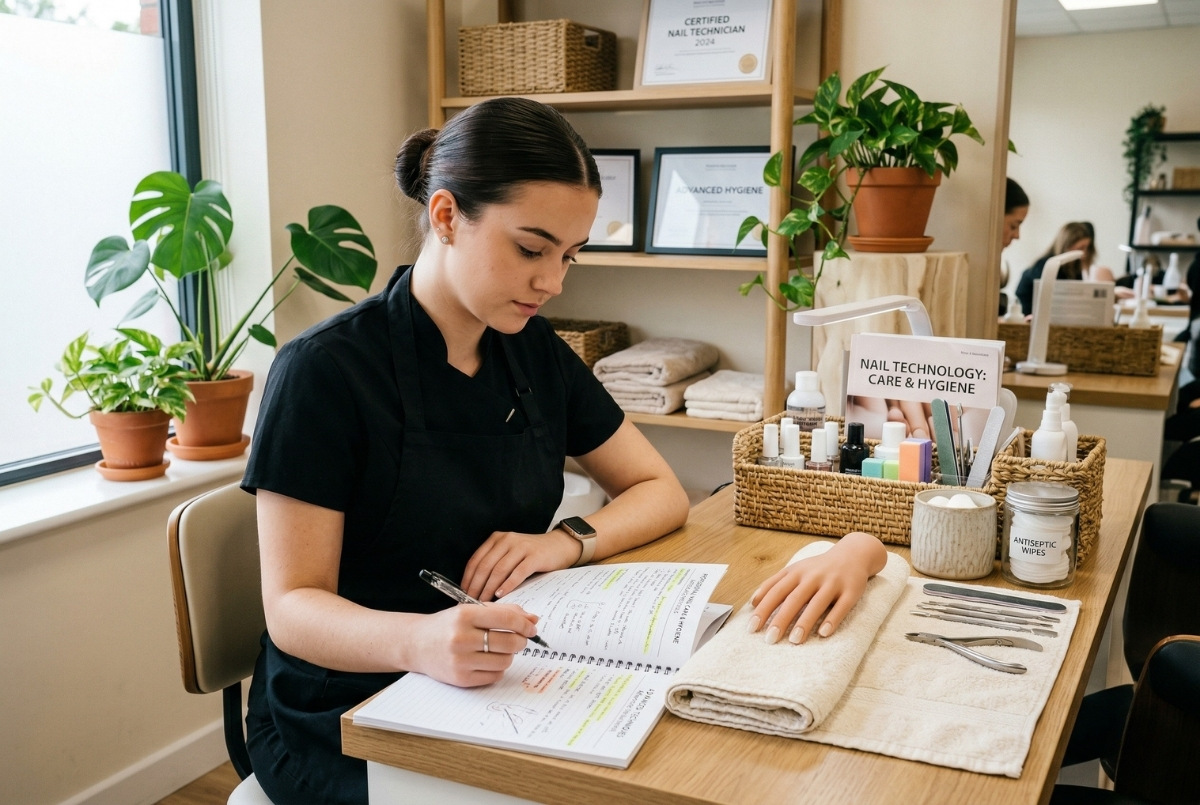
A standard license is only the beginning of your career. If you want to charge higher rates or work with specialized clients, you should consider earning a medical nail technician certificate. This advanced training helps you work more safely with people who have high-risk health conditions, including diabetes.
Earning this level of certification may also support your path toward participating in a Healthy Nail Salon Recognition Program. Being part of such a program shows your community that you care about air quality, hygiene, and high safety standards. This matters because the FDA is becoming stricter about how beauty businesses describe wellness-related services. Having official support from the program can strengthen your credibility and help demonstrate your commitment to safer salon practices.
Start Your Journey at Dalton Institute
Choosing the right education is one of the most important decisions you can make for your future. Dalton Institute focuses on giving students the practical, real-world skills they need to lead in the beauty industry. Its training combines classic beauty techniques with the modern safety standards discussed throughout this article. The future belongs to nail professionals who understand the science behind their craft. Whether your goal is to open your own high-end studio or work as a specialist, the right education can make all the difference. To learn more about getting started, visit our Enrollment page. You can also contact us directly through the form below this article. We look forward to helping you build a successful career in this exciting industry.
FAQ: Common Tech and Safety Questions
Can I use my salon LED lamp to treat an infection?
No. While UV technology for nail fungus does exist in medical settings, salon lamps are not powerful enough to kill fungal spores. They are only designed to harden gel products.
Why is a nail care pen better than regular oil?
Most oils simply sit on the surface of the skin. A nail care pen with nail matrix technology is designed to absorb more deeply into the nail fold, helping support the area where new nail growth begins.
Is it worth joining a safety recognition program?
Yes. Joining a Healthy Nail Salon Recognition Program gives you a formal way to demonstrate your standards to clients. It builds trust with people who are concerned about salon hygiene and safety.