


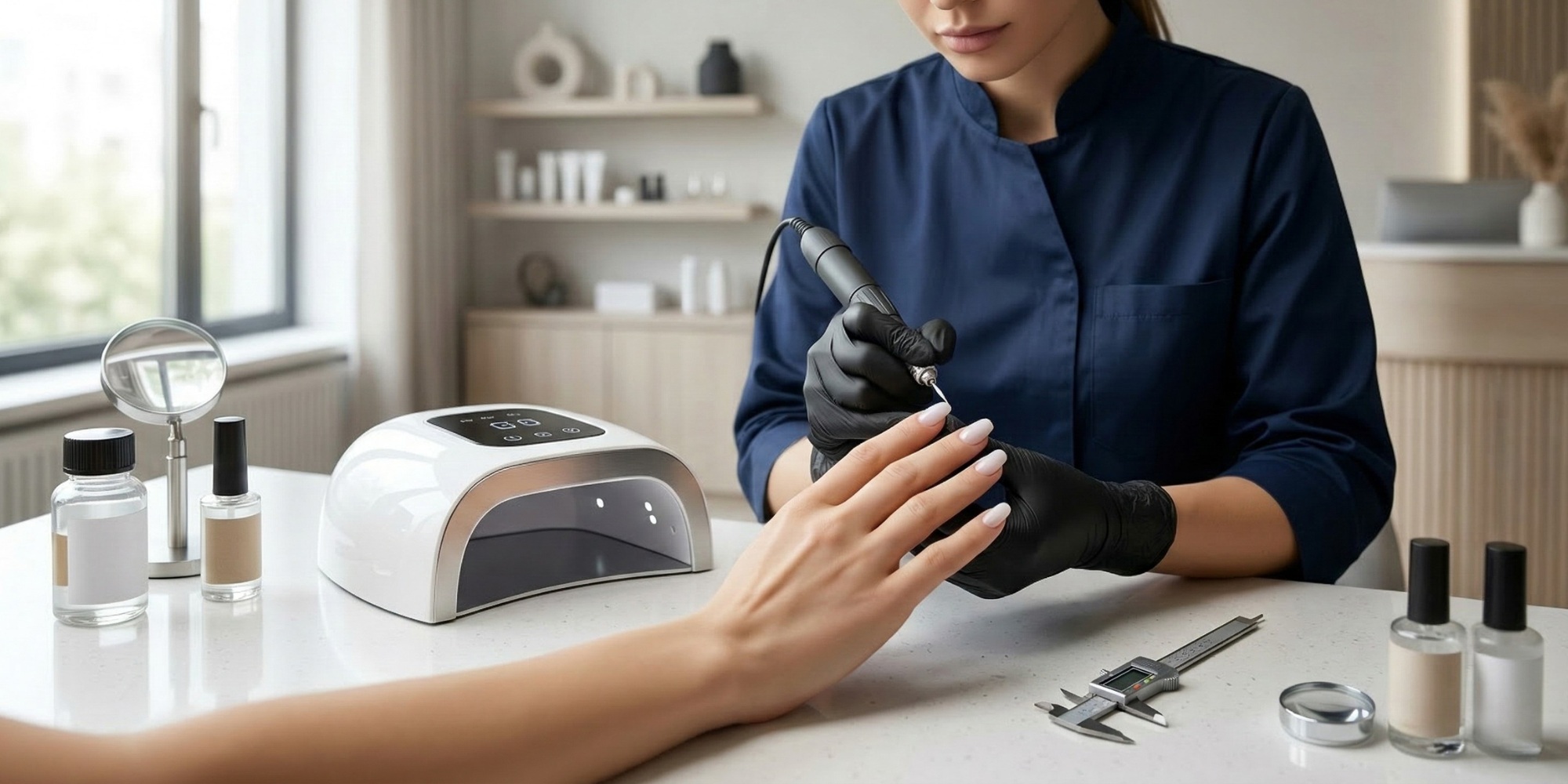
It feels like every time I open my feed lately, I see a new level of artistry that makes me realize just how much the beauty world has evolved. If you have been spending your free time practicing intricate designs or perfecting a clean look on your own nails, you might be wondering if that passion can actually turn into a career. In 2026, the industry is in a very different place than it was even a few years ago. It has moved beyond a simple service and has become a specialized field that blends chemistry with high-end personal care.
When I look at what it means to be a professional today, it is clear that we are doing much more than just applying color. This guide is meant to help you understand the landscape of the industry as it stands right now, helping you bridge the gap between being a hobbyist and becoming a licensed specialist.
Key Takeaways for Future Professionals
- Market Growth: The field is expected to see a 7% increase through 2034, earning it a bright outlook status because it is one of the few roles AI cannot easily replace.
- Salary Potential: In high-end markets, specialists are seeing rates that range from $34 to $94 per hour.
- Safety Standards: Current regulations have pushed the industry toward TPO-free and HEMA-free products, making a solid understanding of toxicology a must-have for any pro.
The Technical Evolution: Where Chemistry Meets Care
To really grasp what it means to work in nail technology today, you have to look past the polish. I like to think of modern techs as surface chemists. Every service involves managing polymerization, a chemical reaction that happens right on the nail plate. Knowing how UV light interacts with photoinitiators to create a bond without hurting the skin is what separates a true pro from an amateur.
Professional Scope: What are nail techs in 2026?
I often tell people to think of nail techs as the primary care providers for hands. Beyond the art, your job involves spotting subtle health issues. A professional can tell the difference between a simple bruise and something more serious like subungual melanoma, or know when a client actually needs a medical referral for a fungal infection. You are the first line of defense for hand health, which is why getting your license is so important for public safety.
Expert Insight: The Toxicology Shift
According to recent updates on the New Rules of Nail Care from StyleSpeak, the global ban on certain chemicals has really changed the game. A modern education doesn’t just show you how to apply product; it teaches you how to read a Safety Data Sheet to make sure you are using biocompatible formulas that keep you and your clients safe.
If you want to dive deeper into these technical details, guides like HONA’s Knowledge Hub can help you master the chemistry side of things before you even start your first day in a salon.
Navigation & Economic Reality: Choosing Your Path
There is often some confusion about the difference between manicuring vs nail technology. In most places, your manicuring license is your legal green light to work for pay. However, your training in nail technology is what gives you a competitive edge. While a manicurist handles basic maintenance, a nail technologist is more like an engineer, building structures that prevent trauma to the natural nail.
Practical Success: Nail technology for beginners
If you are looking into nail technology for beginners, I suggest focusing on ergonomic longevity. I’ve seen many talented artists leave the industry within a few years because of neck strain or carpal tunnel. A professional program will teach you the biomechanics of your own body, like how to properly hold an e-file, so you can enjoy a 30-year career rather than burning out in three.
Income Tiers: Manicuring and nail technology salary
Data from the U.S. Bureau of Labor Statistics shows that this is a bright outlook career with about 24,800 job openings every year. Because this work requires high manual dexterity, it’s very resistant to automation.
When you look at the manicuring and nail technology salary, recent trends from Indeed show that specialized techs are the ones making the most. Those focusing on medical manicuring or architectural enhancements can reach six-figure potentials in busy areas.
The 2026 Visionary Landscape: The “Quiet Luxury” Revolution
The big trend for 2026 is soft minimalism. As Vogue Scandinavia reported, the color of the year is a milky white called Cloud Dancer. This trend is all about clinical-grade health and perfect natural nails rather than over-the-top art.
Integration of AR and Digital Consultation
Tech is also becoming a huge partner in the salon. According to SNS Chairs, the market for nail printing and AR devices is exploding. High-end salons now use augmented reality to show clients exactly how a look will turn out before they even start filing.
Ready to Master Your Craft? Your Future at Dalton Institute
If you’re ready to move from the kitchen table to a professional setting, I encourage you to see what’s possible. You want a foundation that prepares you for the reality of a modern salon, where you learn the architectural skills and business knowledge that clients are looking for right now.
You can find out more about how to get started on our Enrollment page. Have questions about the schedule or the campus? We’d love to help you figure out your next steps. Just fill out the contact form below, and someone from our team will reach out to chat!
Frequently Asked Questions
Can I practice medical manicuring with a standard license?
Your license covers cosmetic services. To work in a medical capacity, you would usually need to pursue an advanced nail technician certification that focuses on aseptic techniques for high-risk clients.
How long does a typical program take to complete?
It depends on your schedule, but most students finish their training in about 4 to 6 months. It’s designed to get you into the workforce as quickly and safely as possible.
Is the 2026 market too saturated?
While the basic market is busy, there is actually a shortage of specialists who understand toxicology and clean beauty. Clients are actively looking for pros who prioritize health over speed.
What is the soft minimalism trend?
It’s a shift toward perfect shaping and architectural balance. It’s less about painting a complex picture and more about sculpting the hand to look its best naturally.